
The Short Version: We outfitted this old substation with new period accurate windows including egress-ready hopper windows of our own design, and double hung windows where the weights were concealed within channels we cut into the brick walls. To cut down on noise intrusion we used safety laminate (a permanent alternative to gas-filled double panes) The caulking was done with oakum and mortar.
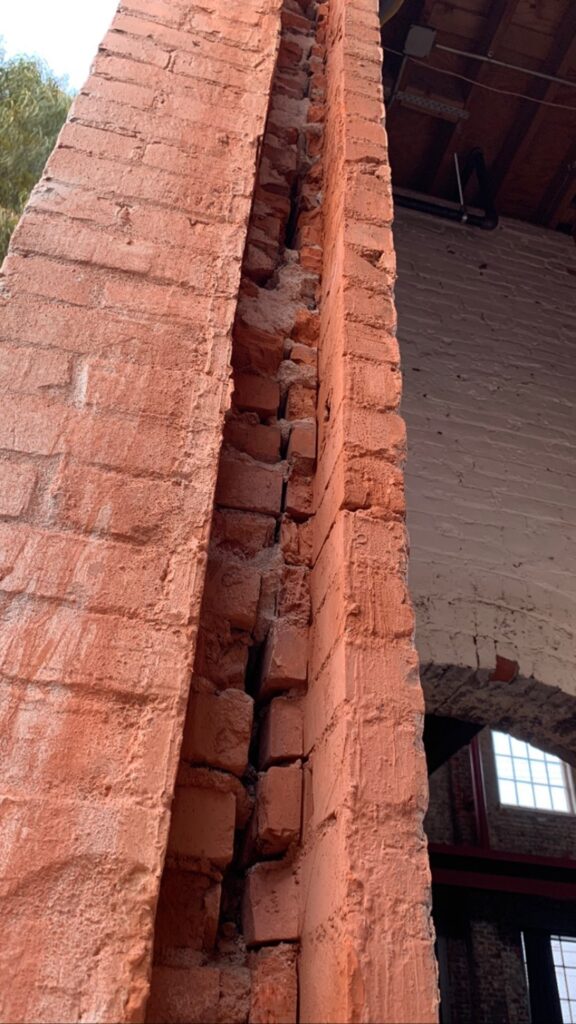
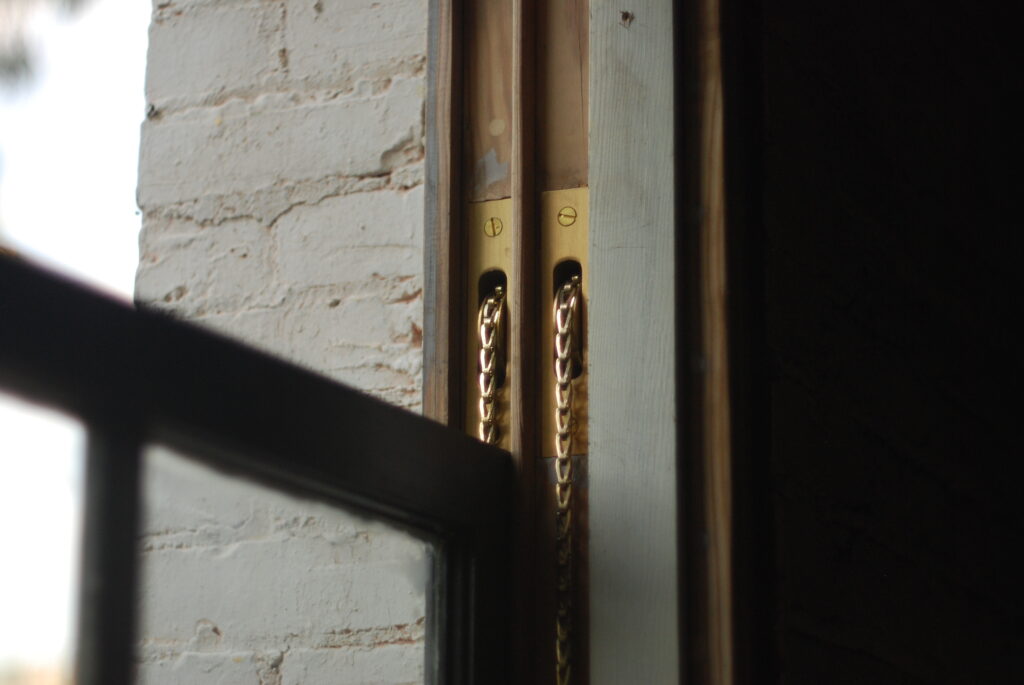
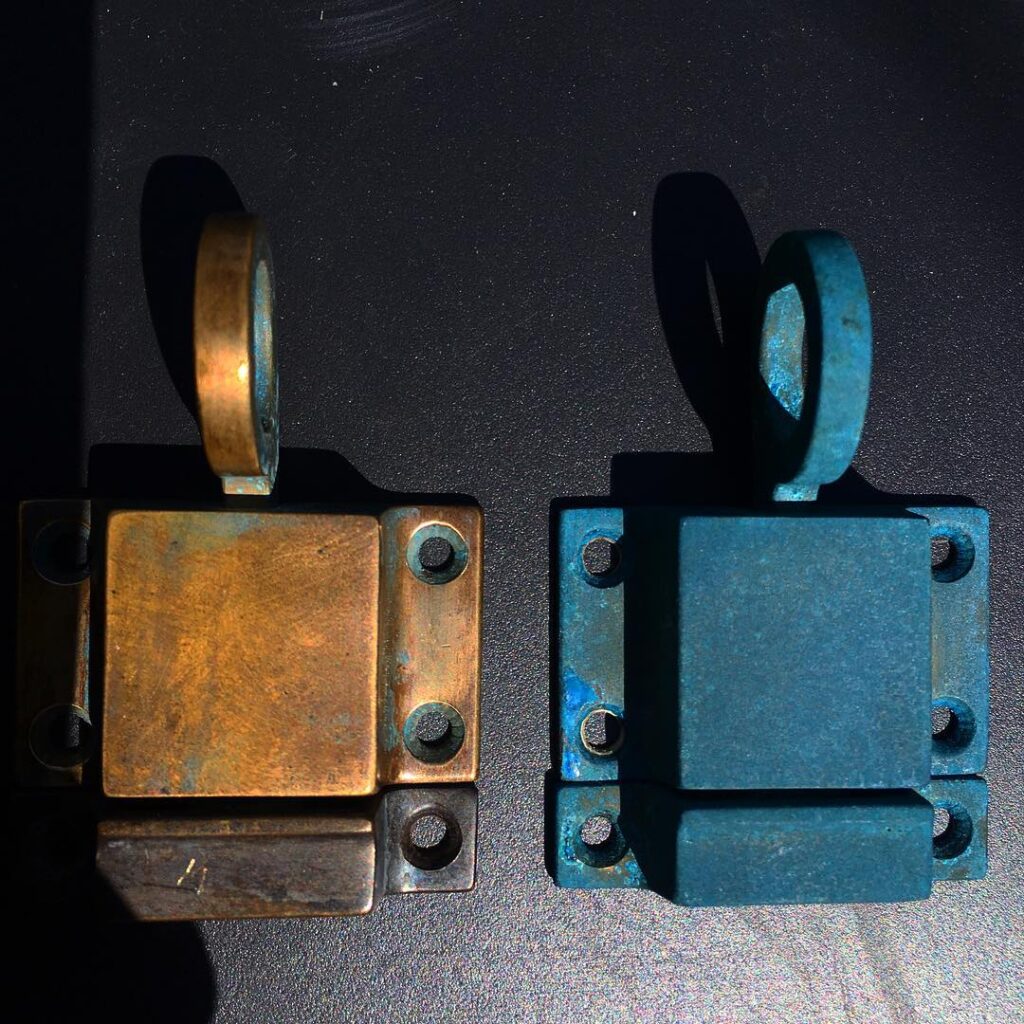
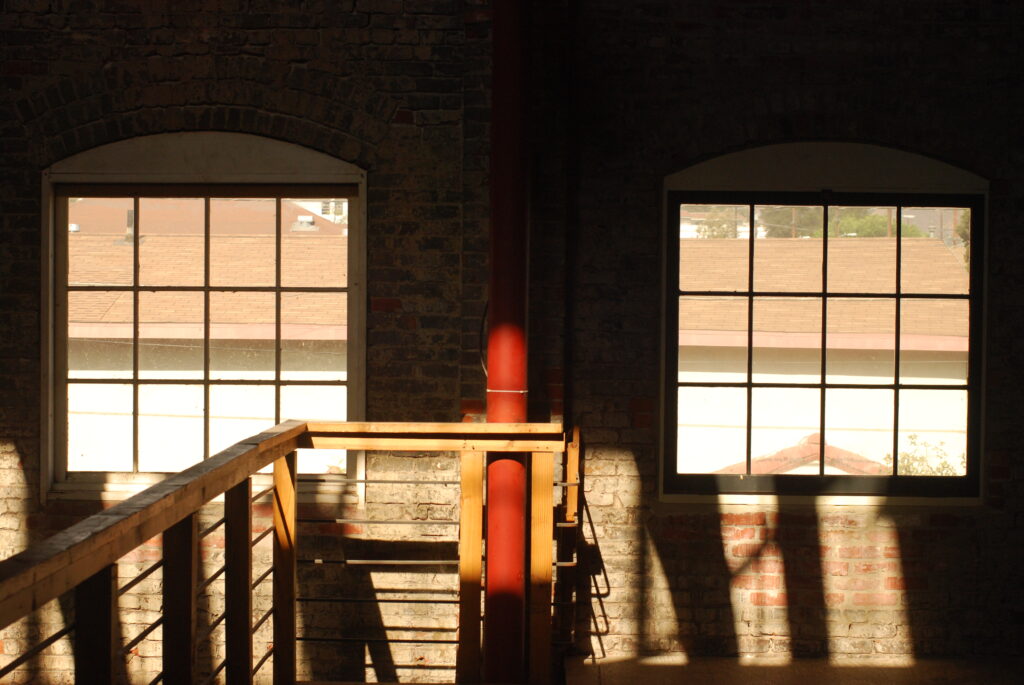
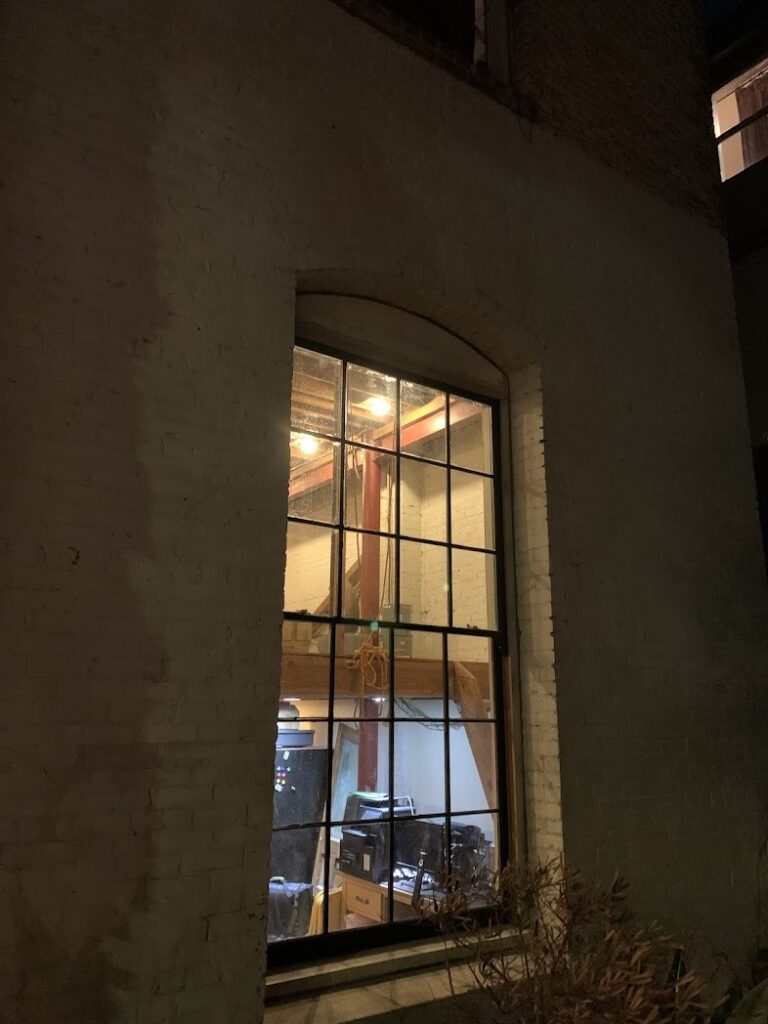
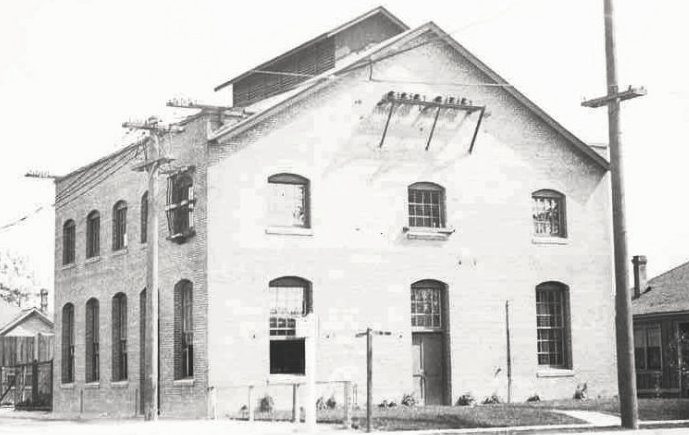
The longer version: We were put in touch with the owner of this building. It’s a historic landmark, but she wants to also live in it, which we think is a great idea. As anyone in the historic preservation field knows all too well, that the worst thing that can happen to a historic building is for it to sit empty. Fire gutted the building in the 80s, and a quickie restoration of the windows back then left future owners with gigantic wood windows that do not operate. They are too large to allow for weight boxes–a detail that was also the case in the historical images of the building. So how were these huge windows operated before the fire burned the originals? Probably with large sticks called “jacks” which were used both to open them and to prop them open.
But what is this brick behemoth in the bungalow neighborhood?
On Sunday, May 20th 1906, the Los Angeles Herald Announced that a permit had been filed with the Department of Building and safety for a “one-story, one room sub-station” at 2642 (not 2640, as listed) Huron Street by Los Angeles Railway Company and the Pioneer Construction Company for the cost $3500. The purpose of the building was to do what your power adapter does for your computer; convert ac to dc. To our bedraggled modern eyes, this transformer housing looks like a house of God. Two great wars and their aftermath took all good humor out of building, but these pre-war buildings remind us that there is the possibility for all things in public view to look the part of being in public view.
Just take a look at what happened to the Division 3 car barns a few blocks away. This yard was powered by the Huron Substation which was adjacent.
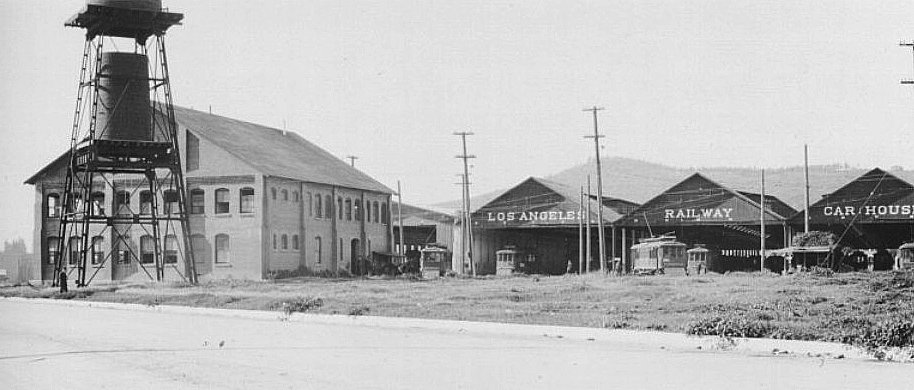
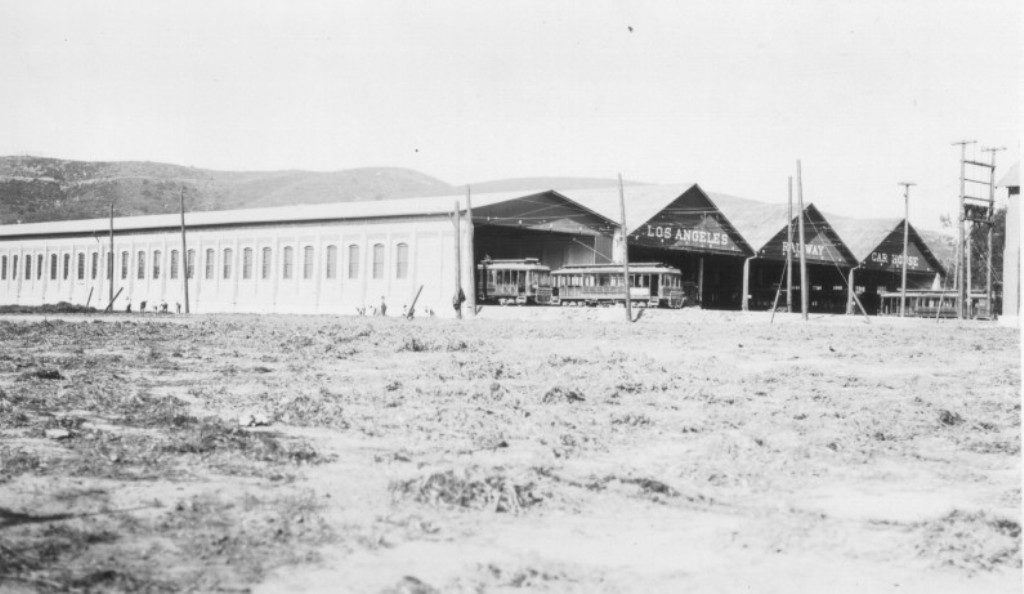
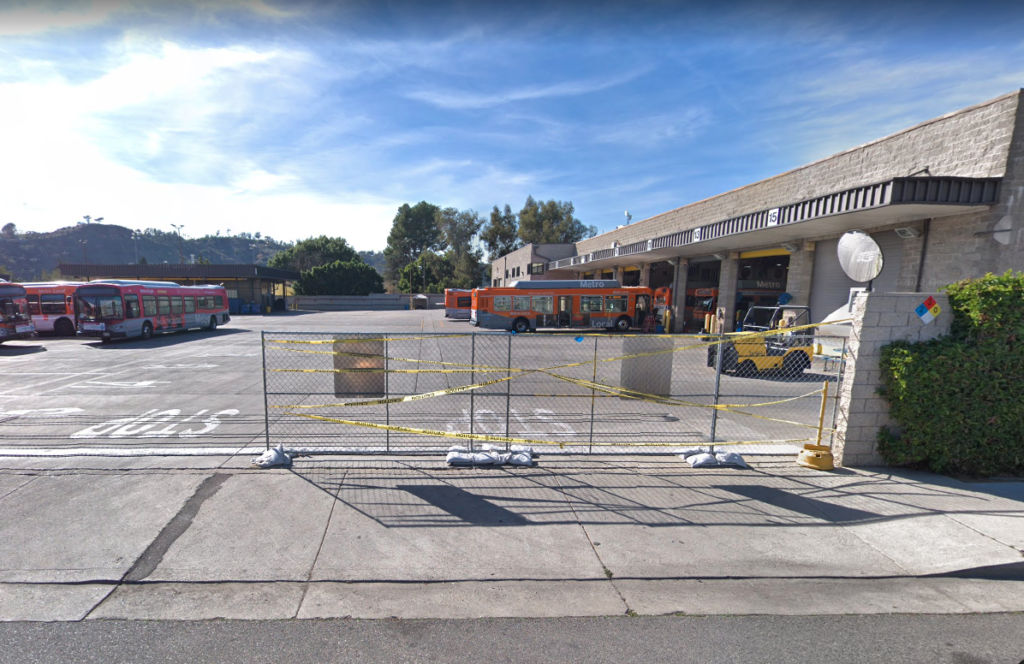
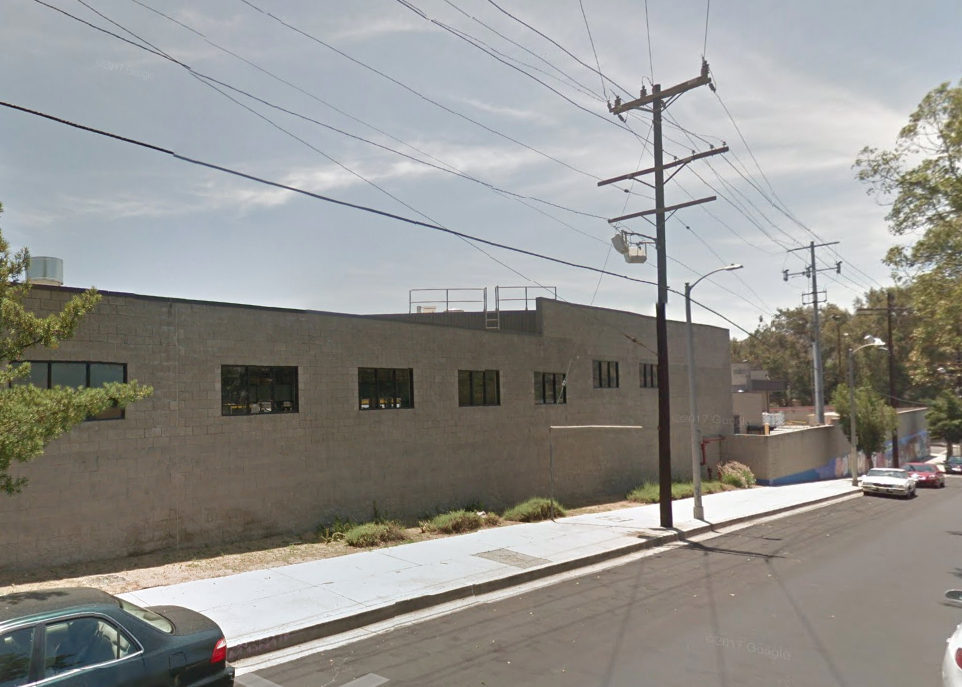
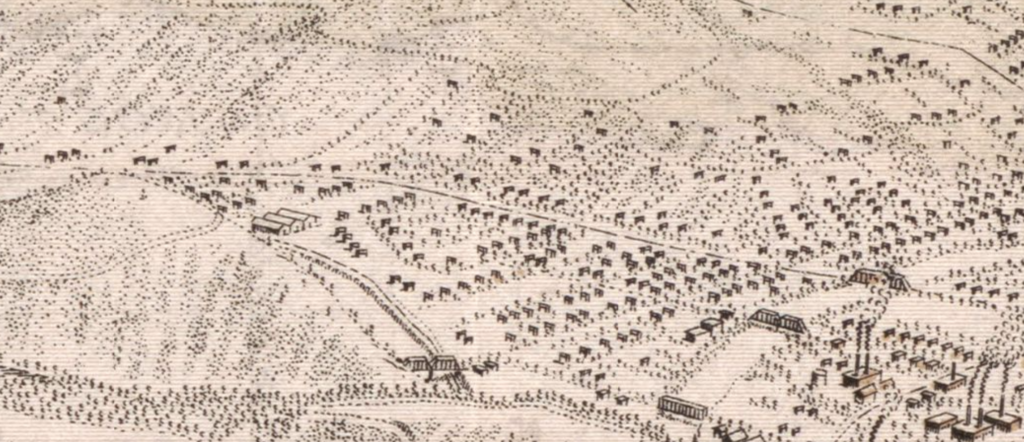
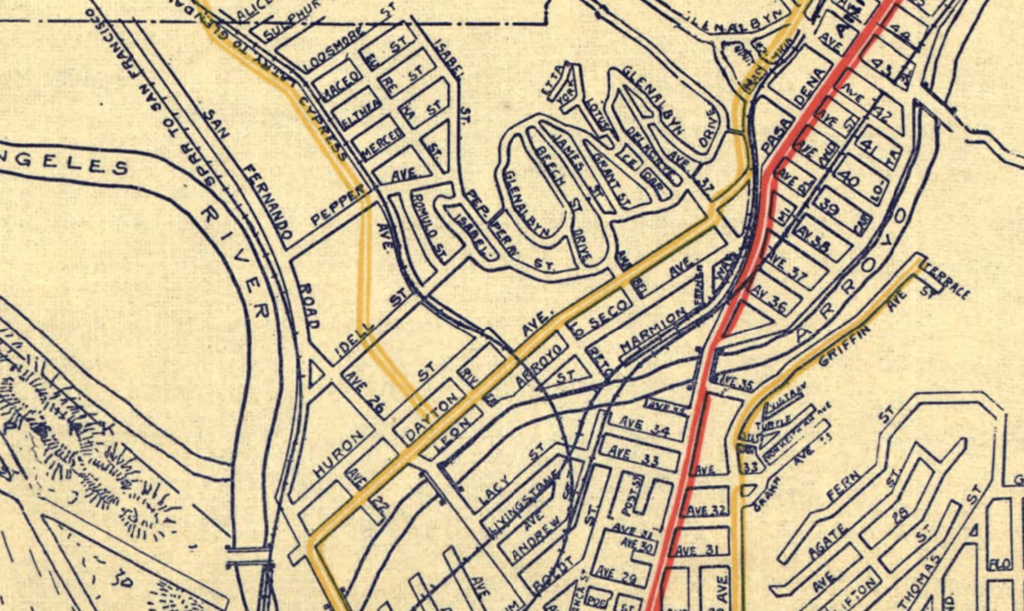

In 1906 one heard the whizz of futuristic electric motors, or maybe the whinnying and snorting of horses carrying a broken carriage down the track to be worked on. Today, we hear the groan of countless idling busses, and the beep beep beep, as they back up into their stalls. Just another dreary addition to the din of the freeway punctuated by the periodic chainsaw of a revving motorcycle with no muffler.
Much like how Los Angeles once enviable rail system was lost to greed or mean expedience, the substation’s original windows were lost to fire in the 1980s. The replacements made after the fire look like real double-hung windows, but were in fact non-operable props. This being the case they needed to be replaced with functioning, historically accurate windows. As the circa 1918 picture shows, it had 10-foot double hung windows on the first floor and 5-foot hopper windows with mechanical operating windows in the clerestory.
Huron isn’t the only substation of the Los Angeles Railway. The same architect built the same building on Olivera Street. We got permission to view the building from El Pueblo de Los Angeles Historical Monument Authority Department, and made our final determinations on design there, since it never lost its wood furnishings and windows to fire.